EN
EN

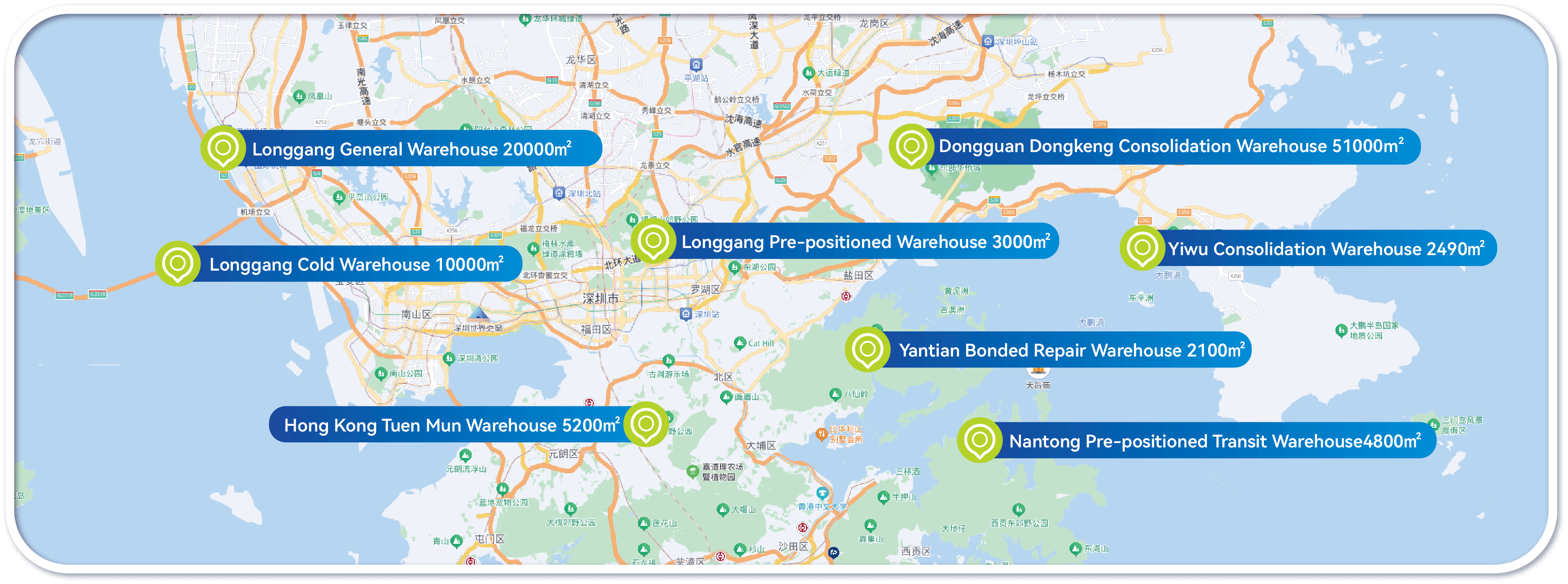
Transforming Modern Warehousing and Distribution Infrastructure
The global supply chain landscape has undergone a radical transformation over the recent decade, shifting from reactive storage centers to highly dynamic fulfillment hubs. Today, strategic logistics facilities serve as the operational backbone for global trade, enabling businesses to maintain lean inventories while ensuring rapid, accurate delivery. Advanced warehousing and distribution networks leverage cutting-edge automation, high-density storage configurations, and integrated supply chain management platforms to compress cycle times dramatically. According to recent logistics industry benchmarks, enterprise supply chains that modernize their warehousing and distribution capabilities achieve up to a thirty percent reduction in order processing costs alongside a forty percent boost in overall order processing accuracy. Modern fulfillment facilities go far beyond simple cargo holding; they act as multi-functional processing environments equipped with cross-docking capabilities, climate-controlled storage zones, and high-speed automated sorting infrastructure. By effectively bridging raw manufacturing output with end-customer delivery, a robust logistics strategy empowers enterprise brands to scale across international boundaries without suffering from inventory bottlenecks, lost packages, or costly transit delays.
Smart Automation and Robotics Accelerating Modern Operations
At the core of top-tier logistics facilities lies the strategic integration of smart automation and advanced robotic systems. Autonomous Mobile Robots (AMRs) and Automated Guided Vehicles (AGVs) now navigate facility floors with millimeter precision, smoothly taking over repetitive transport tasks and drastically reducing human fatigue and picking errors. When seamlessly combined with automated storage and retrieval systems (ASRS), modern warehousing and distribution hubs maximize vertical cubic space, expanding total storage capacity without requiring expensive real estate expansion. Industry research highlights that adopting automated picking technology within warehousing and distribution networks elevates fulfillment speed by over two hundred percent during peak seasonal demand spikes. Furthermore, real-time Internet of Things (IoT) sensor arrays continuously monitor environmental parameters, cargo weight, and machinery operational health, ensuring that physical goods move seamlessly through every single stage of the fulfillment pipeline. This massive technological convergence minimizes operational downtime, safeguards sensitive freight, and ensures consistent operational throughput for complex cross-border trade operations.
Data-Driven Inventory Management and Predictive Analytics
Modern logistics systems rely heavily on sophisticated Warehouse Management Systems (WMS) tightly integrated with predictive analytics engines. These advanced enterprise platforms convert massive streams of daily operational data into actionable strategic insights, allowing global supply chain managers to accurately forecast demand patterns, optimize daily picking routes, and maintain optimal stock levels across widely distributed fulfillment networks. Effective warehousing and distribution depends entirely on end-to-end operational visibility, where every single Stock Keeping Unit (SKU) is meticulously tracked from initial factory arrival through final-mile courier dispatch. Utilizing artificial intelligence within comprehensive inventory management helps mitigate common supply chain disruptions such as costly stockouts, overstocking, and order misallocations. Practical case studies across high-volume retail and industrial sector dispatch demonstrate that predictive inventory positioning within regional warehousing and distribution centers can trim last-mile delivery times by up to twenty-four full hours. By synchronizing real-time inventory counts with enterprise resource planning software, international trade partners gain total operational transparency, ensuring that working capital remains fluid rather than tied up in excess safety stock.
Flexible Scalability and Value-Added Logistics Services
Flexibility stands out as a defining operational pillar of contemporary supply chain solutions. Modern enterprise organizations operate in highly volatile market environments where consumer demand shifts, evolving trade policies, and seasonal fluctuations require rapid, friction-free adjustment of storage and fulfillment capacities. Multi-tenant logistics facilities allow growing commercial companies to scale footprint, spatial storage, and labor force dynamically, paying strictly for the exact space and throughput required at any given moment. Beyond standard pallet storage, essential value-added services such as specialized kitting, custom product labeling, thorough quality inspection, specialized repackaging, and reverse logistics management are now expected baseline components of comprehensive logistics offerings. Implementing structured, technology-driven reverse logistics within a modern warehousing and distribution matrix enables commercial businesses to inspect, refurbish, and restock returned items efficiently, recapturing up to sixty percent of original returned merchandise value. This agile operational model allows growing global brands to enter new international markets rapidly without taking on heavy capital expenditures for dedicated physical facilities.
Sustainable Warehousing Practices and Environmental Efficiency
Environmental sustainability has evolved rapidly from a corporate responsibility soft initiative into a core strategic requirement within modern commercial facilities. Eco-conscious facilities incorporate rigorous green building standards, energy-efficient LED lighting networks, high-yield rooftop solar arrays, and fully electric material handling equipment to systematically minimize overall carbon footprints. Advanced facility energy management platforms continuously optimize power usage across sprawling fulfillment centers, while intelligent heating and cooling controls protect specialized temperature-sensitive goods with minimal power draw. Furthermore, eco-friendly sustainable packaging solutions, route optimization algorithms, and consolidated shipment practices integrated into daily logistics workflows actively reduce material waste and fuel consumption across global trade pathways. Major international shipping operators report that transitioning toward green warehousing and distribution practices successfully reduces long-term operational utility overhead by fifteen to twenty-five percent while fully meeting strict international ESG compliance benchmarks. Sustainable facility design not only dramatically lowers operating overhead but also elevates brand reputational value among environmentally conscious global buyers.
Strategic Value of Integrated Global Logistics Support
Building a resilient, high-performing supply chain requires seamless operational alignment between physical infrastructure, digital tracking systems, and deep international trade expertise. Modern cross-border commerce demands robust logistics operations that work in perfect harmony with multimodal transport networks, professional customs brokerage, and reliable freight forwarding services. Integrated end-to-end logistics solutions ensure that commercial goods transition smoothly from overseas factory floors into strategic regional storage points before final rapid dispatch to commercial buyers or end consumers. Industry leaders like Jayud bring specialized global logistics experience to the forefront, offering complete supply chain infrastructure, smart warehouse management technology, and seamless international transport integration. By tapping into established global networks backed by robust end-to-end trade expertise, expanding businesses can reliably optimize landed costs, shorten order-to-delivery cycles, and build resilient supply chains across world markets.
Table of Contents
- Transforming Modern Warehousing and Distribution Infrastructure
- Smart Automation and Robotics Accelerating Modern Operations
- Data-Driven Inventory Management and Predictive Analytics
- Flexible Scalability and Value-Added Logistics Services
- Sustainable Warehousing Practices and Environmental Efficiency
- Strategic Value of Integrated Global Logistics Support